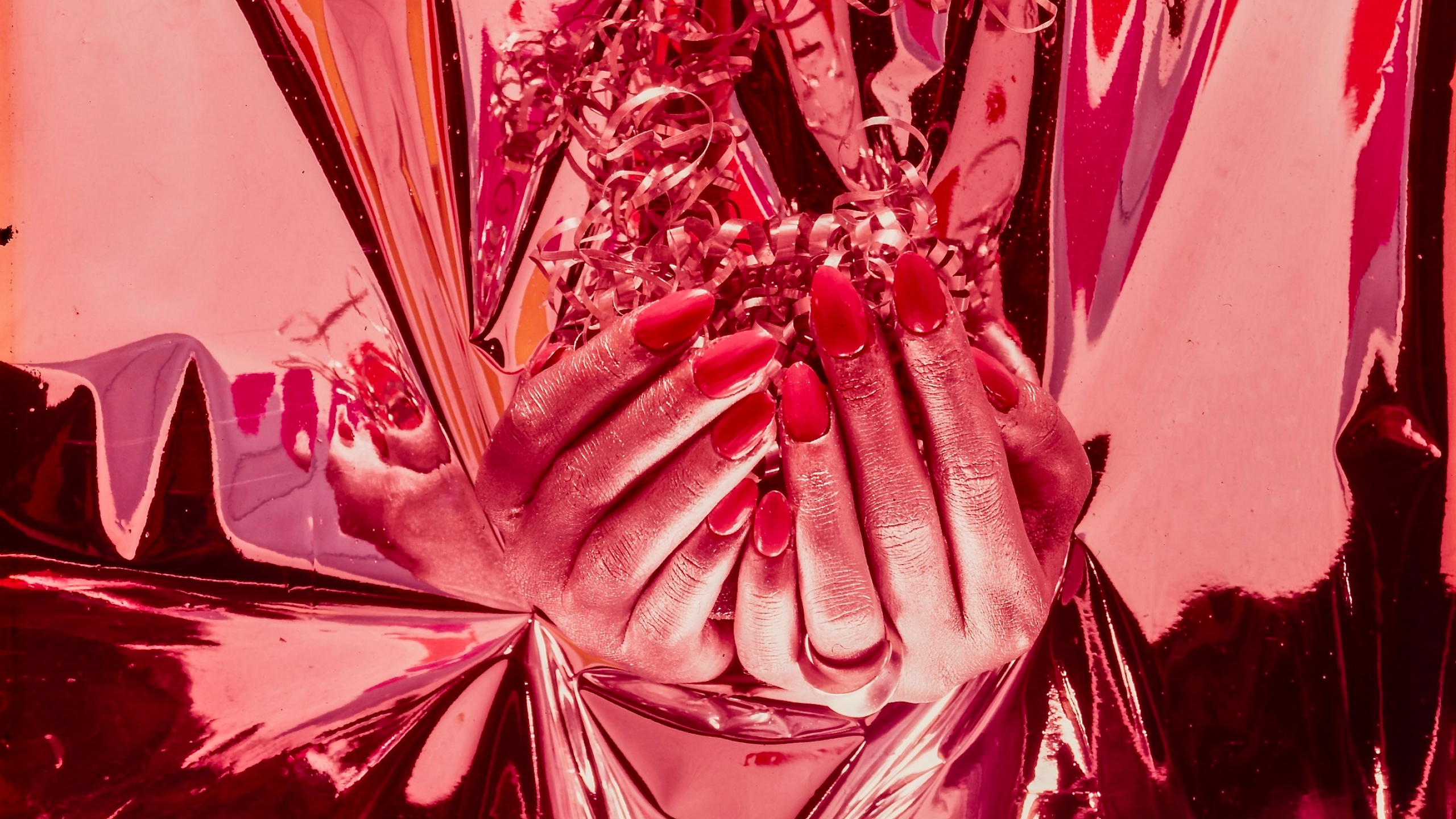
The Verita Monselles exhibition is an important testament to the career of an artist whose archive has been donated to the Tuscan Photographic Archive, housed by the Municipality of Prato. CARNALE (Carnal) is a project by Centro Pecci in collaboration with the Municipality of Prato, and it is part of the research conducted on Monselles under the auspices of the Region of Tuscany.
Verita Monselles (Buenos Aires 1929– Florence 2004) used photography to reclaim herself and female subjectivity. She employed it as a mechanism to break free from the dominant culture's stereotypical images of women as objects in media and advertising. Monselles' work is often subtly ironic and metaphorical, as she intervenes and dismantles the symbols of patriarchal and religious tradition. Monselles often documented her colleagues' performances or involved them in her work, for example, Tomaso Binga and Marion D'Amburgo are the models in her photographic series Ecce Homo.
Her work reflects a sense of sisterhood and mirroring. Monselles was the photographer for the Florentine theater company Il Carrozzone (later Magazzini Criminali) and carried out editorial projects for fashion with the aim of reinterpreting the role of women in contemporary society. Her photographic language reflects these influences: at times, it is baroque and reminiscent of theatrical staging and her time living in Naples. At other times, it is pop and captivating. At other times, it is glossy, elegant, and sensual, linked to the aesthetics of advertising. Monselles portrays a female body that is political, manifest, and that desires a sensual and sexualized body that is not shy but rather the author of its own desire.
This exhibition is part of Passaggi: di mano in mano, the Centro Pecci’s 2026 cultural programme. Discover the programme ↗


